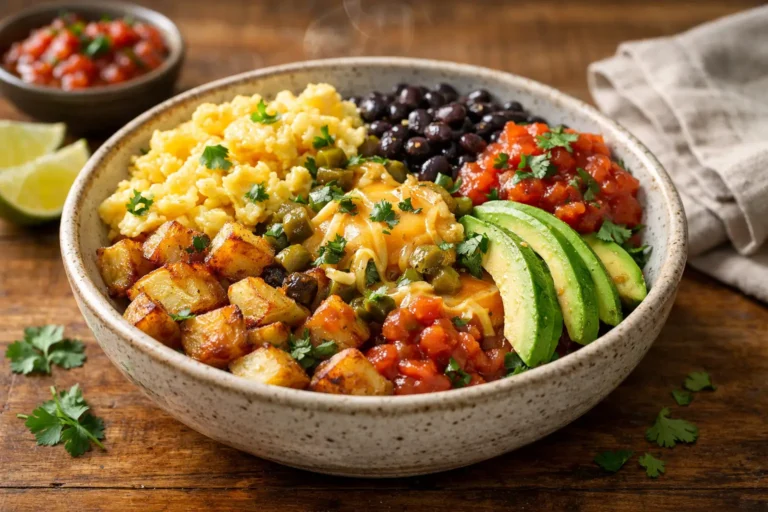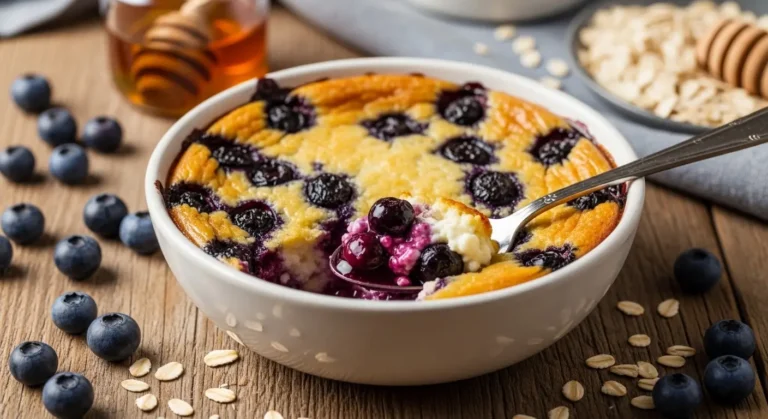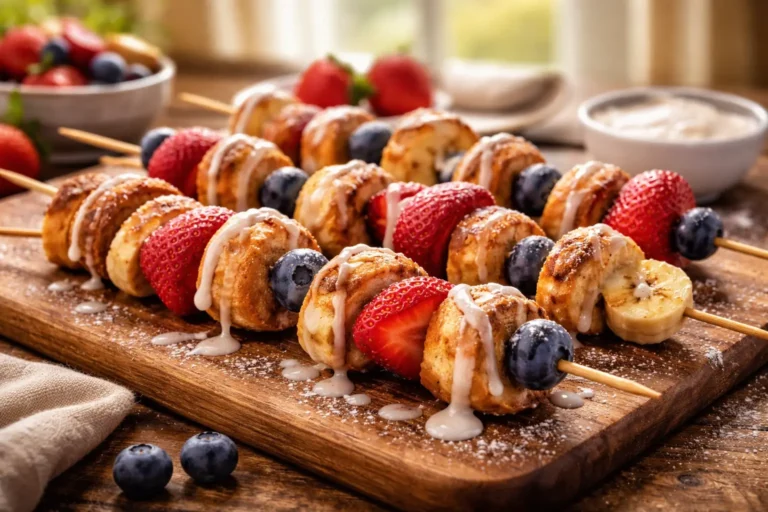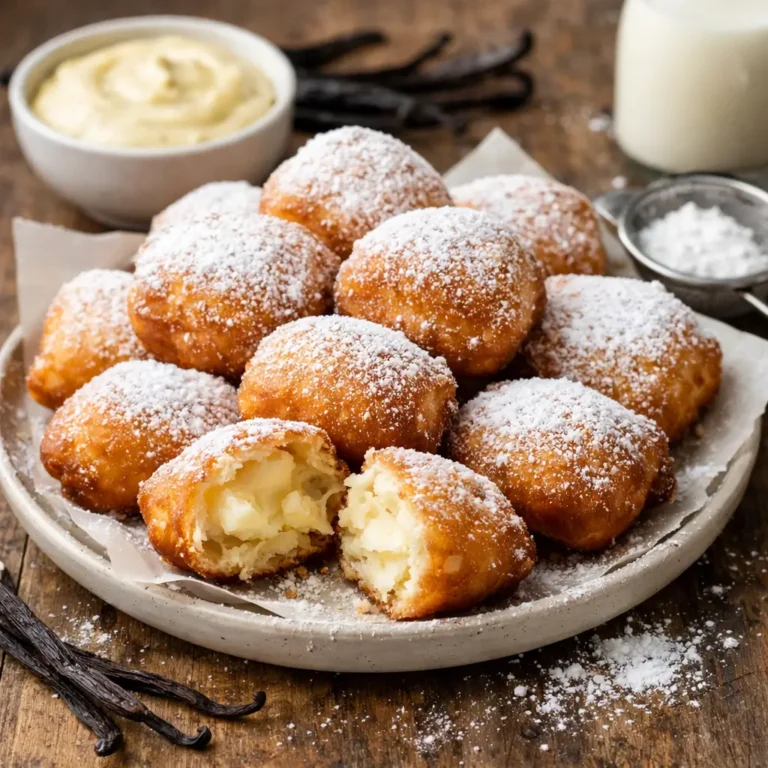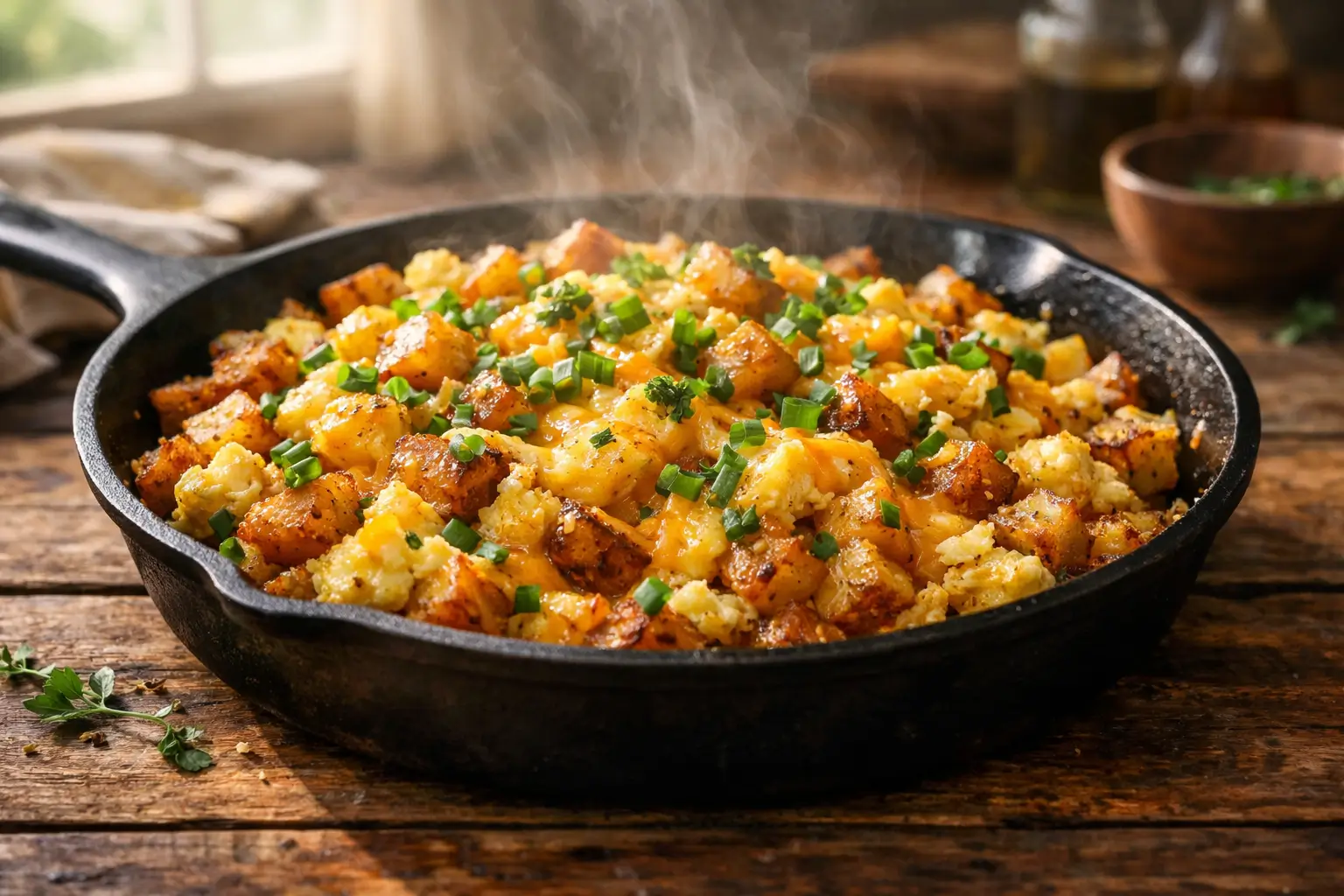
Cheesy Potato Egg Scramble
Ever stood in front of your stove at breakfast time and thought, “I want something hearty, cheesy, and absolutely delicious—but I’m not sure how to nail it”? That’s exactly where I was about three years ago. I’d make scrambled eggs that were fine, potatoes that were… acceptable, and somehow they never came together as this perfect, crispy, cheesy harmony everyone seemed to be raving about. Then I figured out the formula, and honestly? It changed my breakfast game forever.
A cheesy potato egg scramble isn’t just a dish—it’s a vibe. It’s comfort food meets morning protein, with crispy edges and melty cheese that somehow makes everything taste better. FYI, the secret isn’t some fancy ingredient or technique you’ve never heard of. It’s about understanding how heat, timing, and ingredient layering work together to create that restaurant-quality texture we’re all chasing.
Why This Dish Is an Absolute Game-Changer
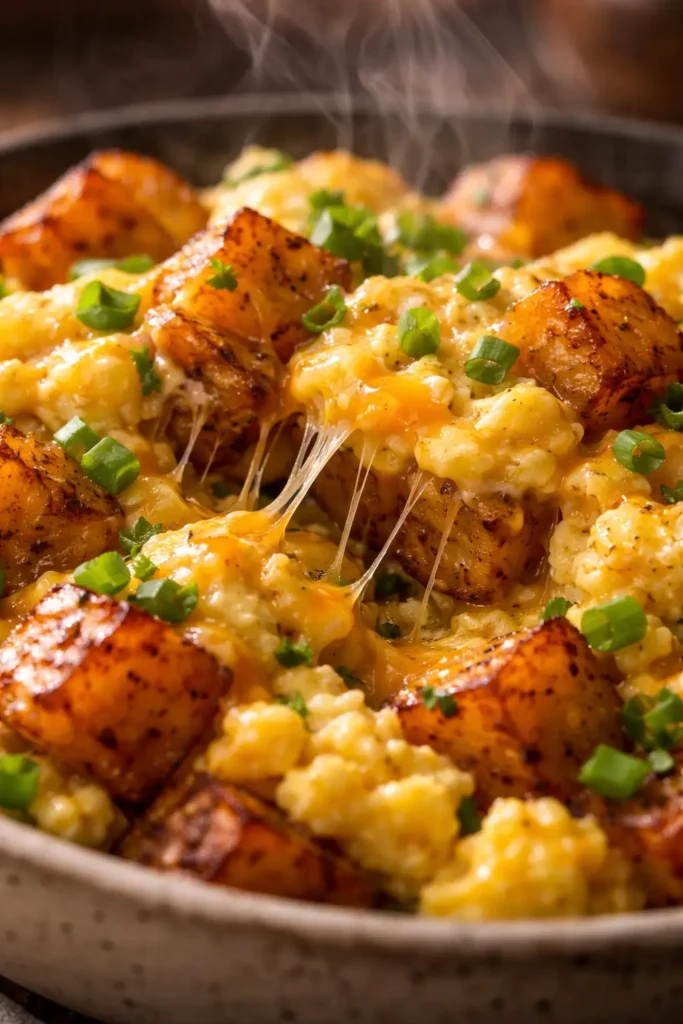
Let me be real with you: the cheesy potato egg scramble delivers what most breakfast foods promise but rarely execute. You get crispiness, creaminess, and protein—all in one pan. That’s not a small deal when you’re trying to fuel your body for the day ahead.
Here’s what makes it so special:
- Texture contrast between crispy potatoes and creamy eggs creates interest with every bite
- Protein-packed from both eggs and cheese, keeping you satisfied until lunch
- Incredibly flexible with whatever proteins, vegetables, or seasonings you have on hand
- Fast to make once you understand the technique (we’re talking 15–20 minutes tops)
- Impressive enough for weekend brunch guests but simple enough for a Tuesday morning
I’ve made this dish probably 200 times now (not an exaggeration), and I still look forward to it. That tells you something.
The Secret to Crispy Perfection: Understanding Your Heat
Here’s where most people fumble the bag. They throw everything in the pan at medium heat and wonder why their potatoes turn into mush while the eggs cook too fast. Heat management is everything.
Why Temperature Control Matters
The magic happens when you respect the cooking process. Potatoes need aggressive heat to develop that golden-brown, crispy exterior. Eggs need moderate heat to cook through without becoming rubbery. These needs actually conflict—unless you know the trick.
My approach: Start hot, then adjust. This isn’t complicated, but it requires attention and a willingness to watch your pan instead of scrolling your phone (I say this with love 🙂 ).
Building Your Foundation: Ingredient Selection
Before we even touch heat, let’s talk about what goes into your scramble. Quality ingredients here make a massive difference—not in a pretentious way, but in a “this actually tastes way better” way.
Potatoes: Choose Wisely
Waxy potatoes (like red or Yukon gold) are your friends here. They hold their shape better than starchy varieties and crisp up beautifully. Cut them into small cubes—about ½-inch is perfect. Smaller pieces crisp faster and distribute more evenly throughout the dish.
Eggs: Fresh Is Non-Negotiable
Use fresh, high-quality eggs if possible. They’ll have better flavor and the yolks will be richer. I use about 6–8 eggs per scramble (enough to feed 2–3 people comfortably).
Cheese: Layer Your Flavors
Don’t just grab whatever cheese is in your fridge. Sharp cheddar, gruyere, or a combination works best. Sharp cheddar gives you bold flavor, while gruyere adds a nutty sophistication. If you use mild cheese, you’ll need more of it to taste the difference. IMO, combining two cheeses creates complexity that elevates the entire dish.
The Recipe: Classic Cheesy Potato Egg Scramble
Let me walk you through this step-by-step. This is the version I make most often, and it consistently delivers that crispy-on-the-outside, creamy-on-the-inside magic.
Ingredients (Serves 2–3)
For the Potatoes:
- 1 lb waxy potatoes, peeled and cut into ½-inch cubes
- 2 tablespoons olive oil or butter
- ½ teaspoon salt
- ¼ teaspoon black pepper
- ¼ teaspoon paprika (optional, but adds color and flavor)
For the Scramble:
- 8 large eggs
- 1 cup shredded sharp cheddar or gruyere cheese (or ½ cup of each)
- ¼ cup whole milk or cream
- 1 small onion, diced
- 2 tablespoons butter (for the egg mixture)
- Fresh chives or parsley for garnish
- Salt and pepper to taste
Instructions
Step 1: Get Your Potatoes Crispy (7–8 minutes)
Heat your skillet over medium-high heat for about 2 minutes until it’s genuinely hot. Add your olive oil or butter. When it shimmers (not smokes), add your potato cubes in a single layer. Here’s the key: don’t touch them for the first 3 minutes. I know it’s tempting, but resist.
After 3 minutes, stir them. You should see golden-brown edges forming—that’s what we want. Season with salt, pepper, and paprika. Cook for another 3–4 minutes, stirring occasionally, until the potatoes are golden brown and fork-tender. Transfer them to a plate.
Step 2: Prepare Your Egg Mixture (2 minutes)
While potatoes cook, whisk together your eggs, milk, and half your cheese in a bowl. Add a pinch of salt and pepper. Whisk until fully combined but not overly frothy. Set aside.
Step 3: Bring It Together (4–5 minutes)
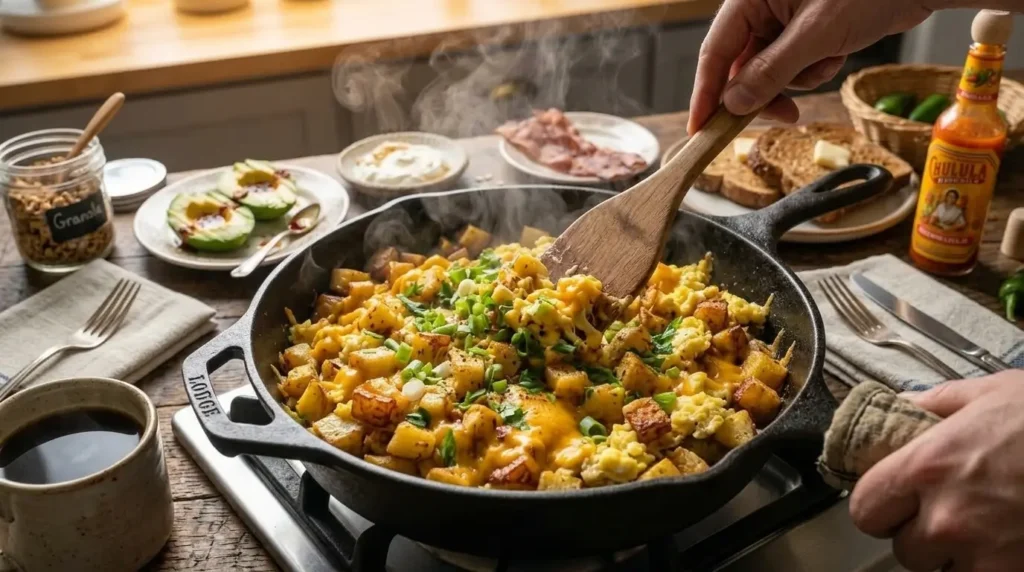
Reduce heat to medium. Add 2 tablespoons of butter to the same skillet (all those crispy potato bits still coating the pan are flavor gold, so don’t clean it). When the butter foams, add your diced onion and cook for about 1 minute until it softens.
Pour in your egg mixture. Here’s where patience becomes your best friend. Let the eggs sit for about 30 seconds, then gently scramble using a spatula, pushing eggs from the edges toward the center. Keep doing this for 3–4 minutes.
When the eggs are almost set but still slightly wet on top, add your crispy potatoes back to the pan along. Fold everything together gently.
Step 4: Finish Strong (1 minute)
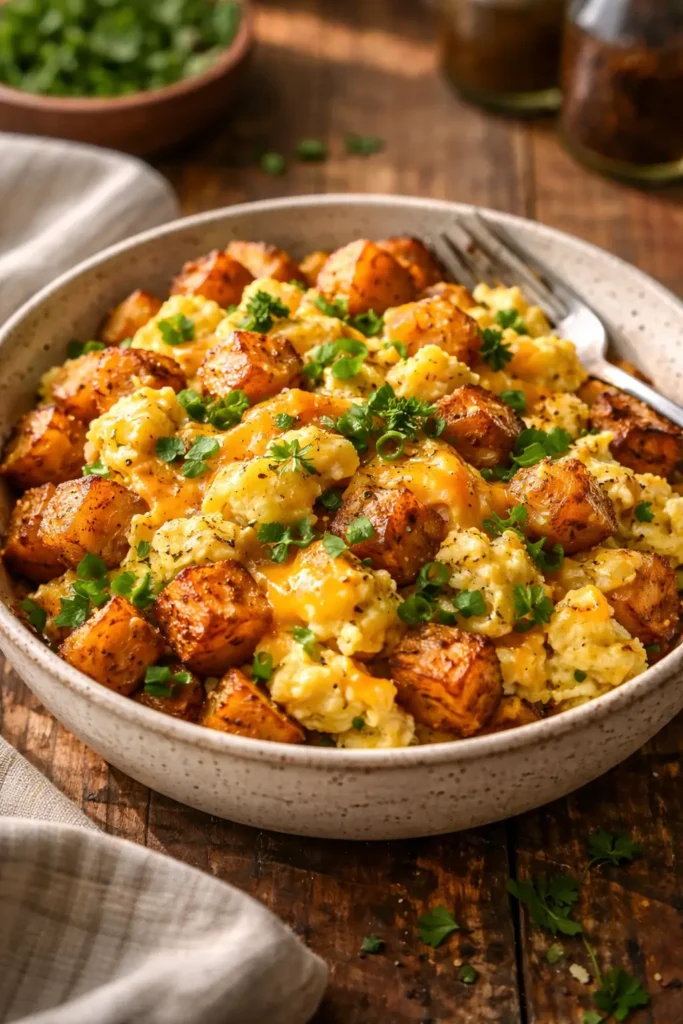
Sprinkle your remaining cheese over the top. Let it sit off the heat for 30 seconds while the residual warmth melts everything together. Garnish with fresh chives or parsley.
Advanced Tips for Restaurant-Quality Results
The Dairy Question
Don’t skip the milk or cream. It sounds like a small addition, but it transforms the texture. The fat coats the egg proteins and prevents them from bonding too tightly. This creates creaminess instead of rubber. I use cream when I’m feeling fancy, milk on regular days—both work brilliantly.
Why Seasoning in Stages Matters
Season potatoes first. Season eggs second. Taste the final dish and adjust. This prevents over-seasoning any single component. Your potatoes might be perfectly salty while eggs need a pinch more—treating them separately lets you dial everything in.
The Cheese Timing Strategy
Add half your cheese to the egg mixture before cooking. Reserve the other half for garnish. This gives you a cheese presence throughout the dish plus a final melty layer on top. It’s the difference between cheesy and cheesy.
Flavor Variations That Actually Work
Here’s what I’ve tested and loved:
Southwestern Scramble
Add diced bell peppers, jalapeños, Mexican blend cheese, and top with salsa and avocado.
Mediterranean Version
Use feta cheese instead of cheddar. Add sun-dried tomatoes, spinach, and fresh dill. Cook the spinach in the pan before adding eggs. This version feels lighter but somehow more sophisticated.
Loaded Breakfast Club
Throw in everything: peppers, onions, mushrooms, broccoli, ham, sausage, whatever. Use half cheddar and half Swiss cheese. More is more here, and it works.
Common Mistakes (So You Don’t Make Them)
Cooking potatoes and eggs simultaneously: Your potatoes won’t crisp properly if eggs are cooking at the same time. Do potatoes first, then eggs.
Using starchy potatoes: They get gluey. Stick with waxy varieties. Trust me on this one.
Cooking eggs on high heat: They’ll cook too fast and become tough. Medium heat is your friend.
Not tasting before serving: Salt and pepper at the end make an enormous difference. Don’t assume it’s seasoned enough—taste it.
Overcrowding the pan: Give your potatoes space to crisp. If your pan is too crowded, cook in batches.
Final Thoughts: Master This cheesy potato egg scramble
The cheesy potato egg scramble isn’t difficult—it just requires understanding what each component needs. Potatoes need heat and space. Eggs need gentleness and fat. Cheese needs heat to melt. Stack these things correctly, and you get something spectacular.
Once you nail this basic version, you’ve unlocked a breakfast skill that impresses people and satisfies your own cravings. Your weekend mornings suddenly feel less like “I guess I’ll eat cereal” and more like “I’m actually excited about breakfast.” That’s the kind of small win that compounds into genuinely better days.
Go make this. Seriously. And if you do, let me know how it turns out. Breakfast victories deserve to be celebrated.